



One merchant management system for your whole portfolio
Configure payments for each merchant separately, and monitor all transactions, payouts, and exceptions from one place.

Scale your merchant portfolio without scaling your workload
Operational complexity grows with every merchant you add. Corefy is a merchant management platform that centralizes configuration, payments, and reporting in one place.
Payment orchestration
Configure payment methods, routing rules, fees, limits, and processing logic independently for each merchant.
Unified integrations
Apply merchant configuration across Checkout, Hosted Fields, API, and webhooks through a single setup model.
Operational control
Monitor payment activity, exceptions, reports, and access permissions across all merchants from one workspace.
How merchant management works
Corefy is merchant management software for PSPs and payment platforms. Here is how a merchant goes from setup to self-service.

- 1
Configure each merchant
Enable payment methods, routing rules, fees, currencies, and limits for a single merchant without touching the rest of your portfolio.
- 2
Connect through any integration
Use Checkout, Hosted Fields, API, or webhooks. Routing, methods, and fees apply the same way across all of them.
- 3
Monitor every merchant
Track activity, provider status, and exceptions across all merchants in one dashboard, and get alerts for spikes, unstable providers, and webhook failures.
- 4
Let merchants self-serve
Merchants see their own payment statuses, payouts, and settlement data, and your team handles only exceptions.
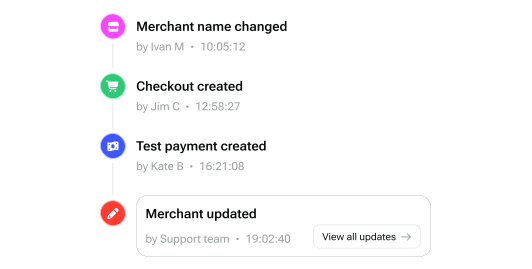
Merchant-level settings that don't affect the rest of the portfolio
Manage operations per merchant on one payment management platform. Add a merchant or adjust its setup, and the rest of your portfolio stays as it is.
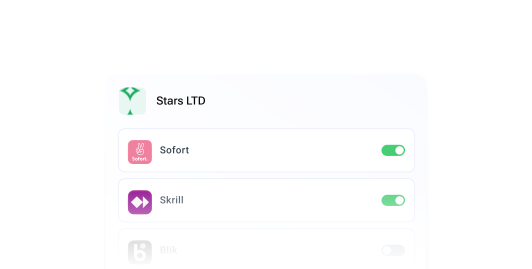

Merchant-specific payment methods
Enable the payment methods each merchant needs — by market, currency, and transaction type — without exposing irrelevant options.
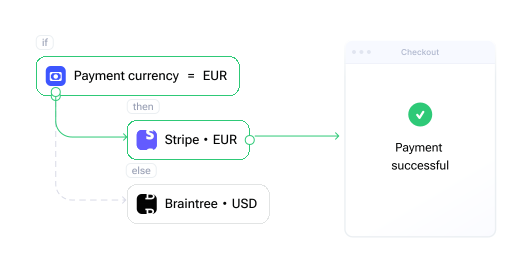

Merchant-level routing rules
Define how each merchant's transactions are distributed across providers based on amount, currency, card type, or custom conditions.
Fee and pricing configuration
Set transaction fees, currency conversion rules, and processing limits per merchant. Adjust them without touching the platform configuration.
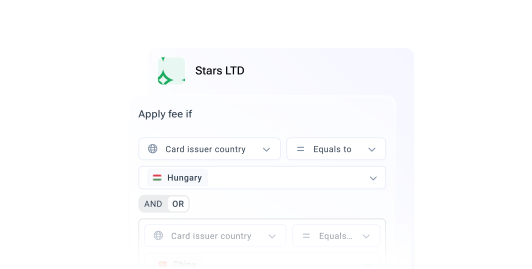

Merchant balances and currency settings
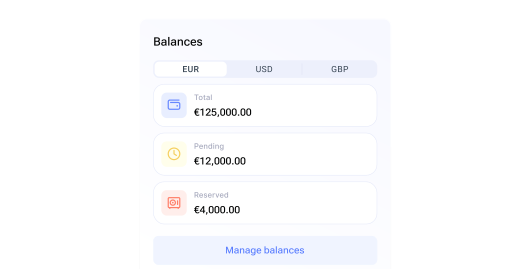
Manage each merchant's accepted currencies, balance accounts, and rolling reserve settings from one place.

Merchant payment logic that works across every integration type
Whether your merchants use hosted checkout, embedded fields, direct API, or webhooks — the routing rules, payment methods, and fees you've configured for each merchant apply consistently across all of them.
Checkout per merchant
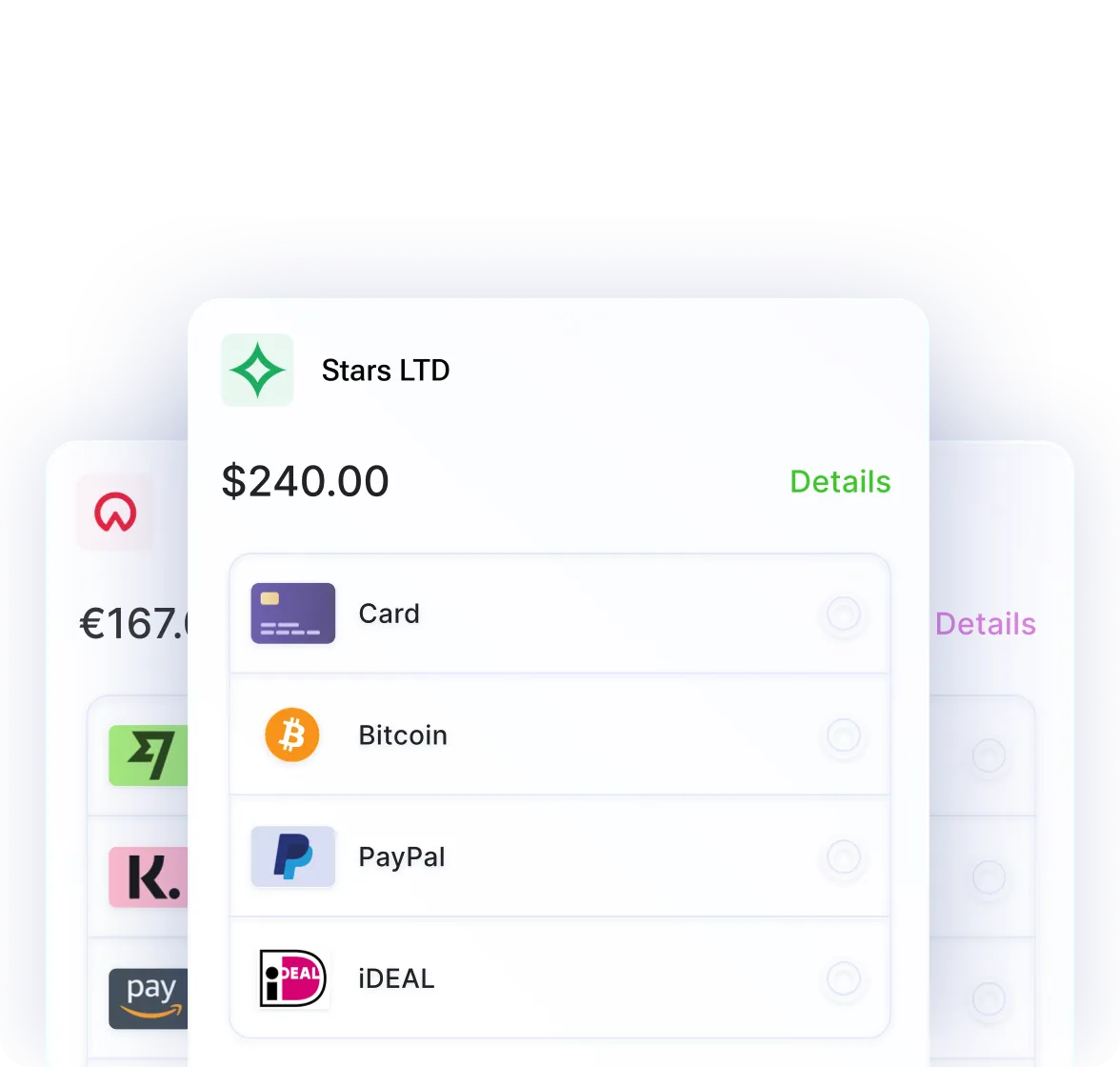
Configure the hosted payment page experience independently for each merchant, including payment methods, currency display, and localization settings.
- Per-merchant payment method selection
- Checkout localization and currency configuration
- Isolated checkout setup — changes to one merchant don't affect others
Embedded payment fields
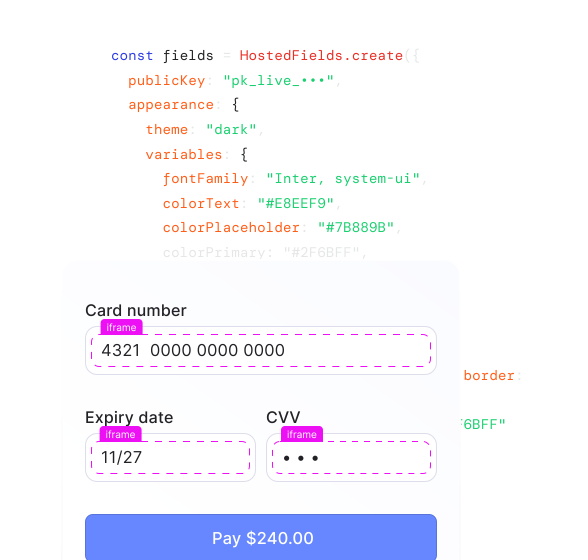
Let merchants embed payment fields directly into their own UI without redirecting customers or taking on PCI DSS scope on the merchant side.
- Payment fields rendered within the merchant's own interface
- Merchant UI customisation without breaking underlying payment rules
- PCI DSS scope reduction for merchants accepting card payments
Direct API integration
Control payment parameters, routing, and processing logic via API, giving each merchant full orchestration capability within their own custom checkout.
- Full routing and orchestration available via API per merchant
- Integration into custom payment flows without platform constraints
- Granular control over request and response data per transaction
Webhook and event handling
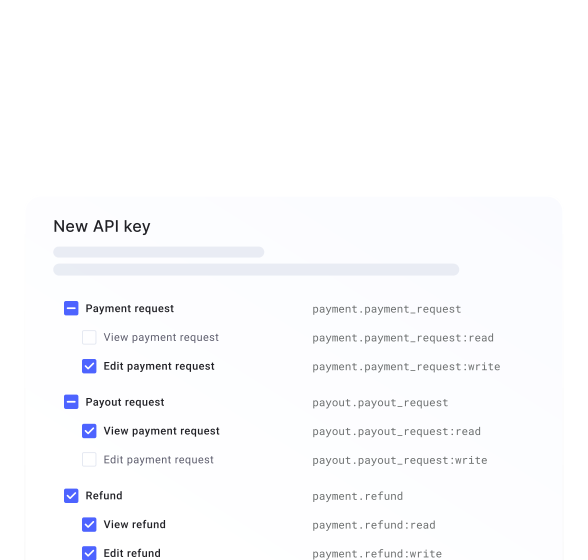
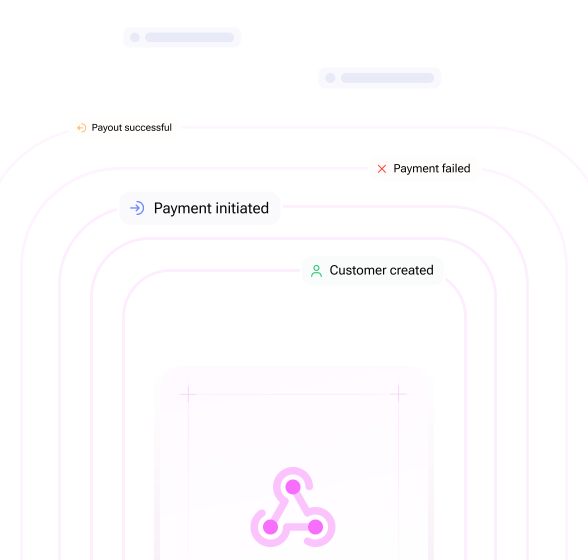
Receive and process payment events separately for each merchant with isolated endpoints, independent event streams, and cleaner operational monitoring.
- Dedicated webhook endpoints per merchant
- Isolated event handling — one merchant's events don't affect another's
- Simplified debugging and transaction monitoring per merchant


Full visibility across your merchant portfolio
Track activity, investigate failed payments, and check provider status in one merchant operations platform. Export the data your team needs.
Merchant operations overview
Monitor payment activity, provider status, and operational issues across your entire merchant portfolio from one workspace, without switching between merchant accounts.



Payment reviews
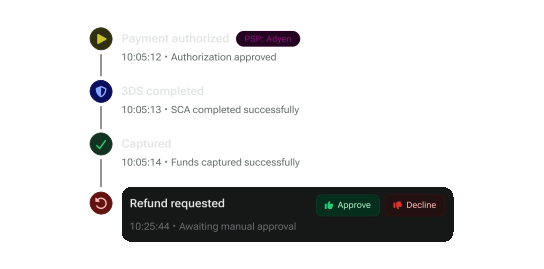
Inspect payment timelines, provider responses, and failure reasons for any transaction across any merchant, all without leaving the dashboard.

Operational alerts
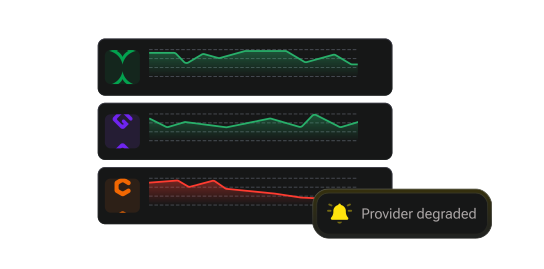
Get notified when payment activity spikes, a provider becomes unstable, or webhooks fail, before these issues grow into operational incidents.
Merchant reporting and exports
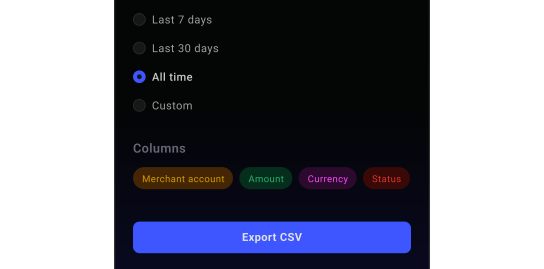
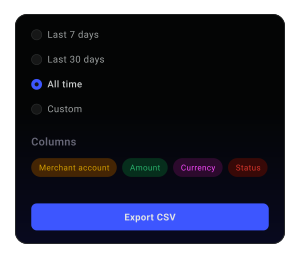
Generate payment reports at the merchant level, filter by any operational parameter, and export transaction data for reconciliation, analysis, or finance teams.
Let merchants manage their own payment operations
Give each merchant direct access to their payment data, payouts, and transaction history, so your operations team handles exceptions, not routine status requests.
Payment status visibility
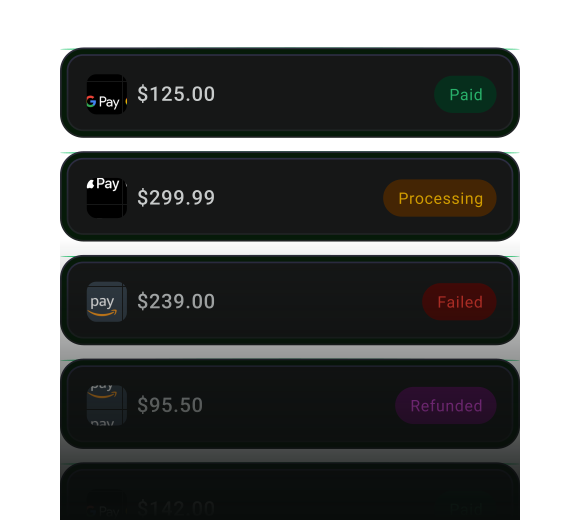
Let merchants monitor their own payments, refunds, and chargebacks in real time, reducing inbound requests to your operations team for routine transaction updates.
Payouts and settlement data
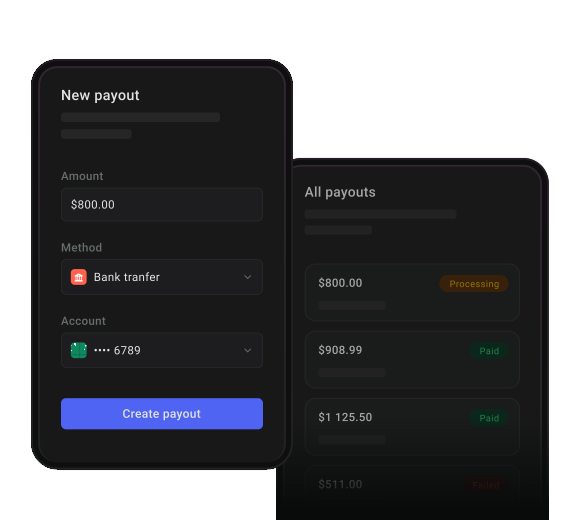
Give merchants direct access to payout schedules, fee breakdowns, rolling reserve balances, and settlement details without your finance team fielding the same questions repeatedly.
Merchant self-service access
Control exactly what each merchant can see and do, giving them enough visibility to run their own operations without creating support overhead for yours.


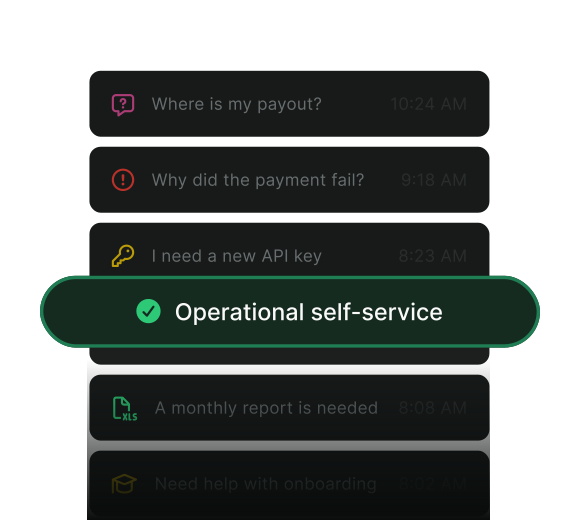
Corefy puts merchant setup, payment visibility , payouts, and reporting in one platform, so your team can serve more merchants with the same workload.
See merchant management in action
Tell us how you manage merchants today, and we’ll show where Corefy cuts the manual work.
Customer payment data scoped to each merchant
Customer payment methods, tokens, and transaction history stay tied to the merchant where the payment was made, keeping each merchant's customer data separate, reusable within their scope, and under your control.
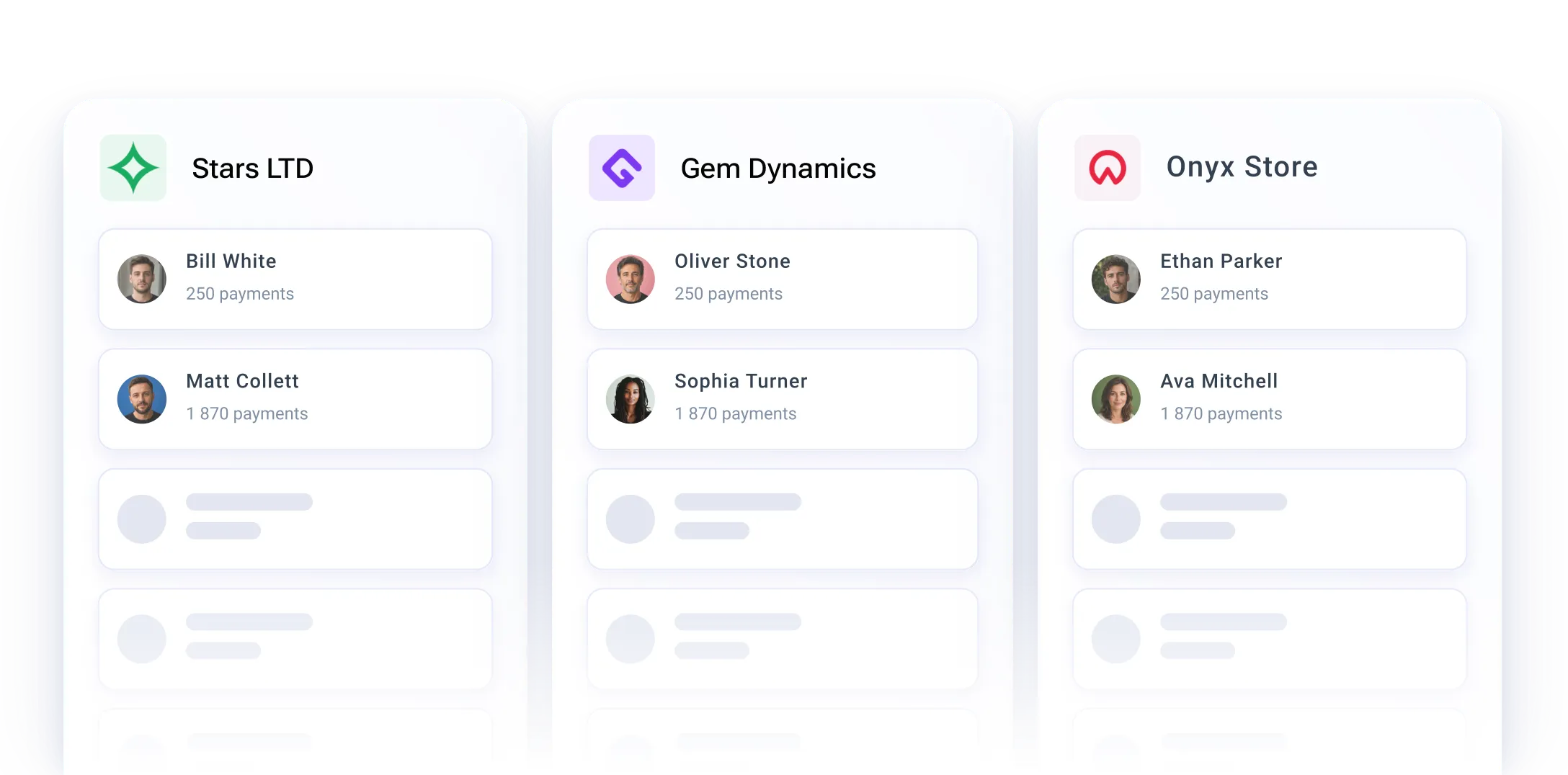

Merchant-scoped customer profiles
Customer records, payment history, and stored payment methods remain isolated within each merchant environment, with no data bleeding across merchant accounts.

Reusable payment methods
Returning customers can reuse stored payment methods within the same merchant scope, improving conversion without compromising data isolation between merchants.
Per-merchant risk and routing controls
Merchant risk management controls: allow/deny lists, 3DS rules, and blocking logic set per merchant. Each merchant gets its own routing to providers, with no effect on the rest of your portfolio.


Hear from payment teams using Corefy every day

One of the key aspects of orchestration strategies is routing and managing the channels merchants use. We aim to provide them with new solutions—helping banks attract new merchants, and PSPs gain new clients. Flexibility is crucial here. A merchant might be ready to act now, but when they’re working directly, the technical work and integration take significant time. By onboarding them through Corefy, the setup becomes much easier. Most components are already in place, and adding something new usually takes just a couple of weeks instead of months. It also helps avoid errors at launch, making the whole process smoother and more efficient—saving both time and effort.

I find Corefy especially valuable for its cascading feature. It’s allowed us to create flexible and efficient routing for our solutions, which has significantly improved our acceptance rates. Instead of offering just one payment option, clients are automatically routed through multiple alternatives until the transaction is completed — this makes a big difference. Additionally, Corefy’s support team is responsive, and they usually deliver the solutions we request within a reasonable timeframe.
Built on payment-grade security and compliance infrastructure
Corefy is PCI DSS compliant, so PSPs and their merchants get a secure foundation for handling payment data, managing access, and keeping every operation auditable.
Learn more about security and compliance


Ready to take control of your merchant portfolio?
See how Corefy helps PSPs configure, monitor, and manage merchants at scale — from one operational platform.
Frequently asked questions
Prefer to talk to a person or the answer is not on the list?
A merchant management system is software that lets a PSP or payment platform configure, monitor, and control payments for every merchant it serves from one place. Instead of setting up each merchant separately in provider consoles and spreadsheets, your team manages payment methods, routing, fees, currencies, limits, and access for each merchant in a single dashboard. You may also see the same category called a merchant management platform, merchant management software, or a merchant management solution.
Corefy is a merchant management system built for PSPs and payment platforms. It connects to 650+ payment providers, applies each merchant's setup across Checkout, Hosted Fields, API, and webhooks, and gives your operations team reporting, alerts, and exports across the whole portfolio. Merchants can also get their own white-label merchant portal, so your team handles only exceptions.